Tree Lopper Vs Arborist: What’s The Difference And Who Do You Need?
Most homeowners search for a “tree lopper” when they have a tree problem. It’s a familiar term, and it covers the general idea of someone who comes out and does work on trees. But the difference between a tree lopper and a qualified arborist on the Central Coast is more significant than most people realise — particularly when the job involves a large tree, a tree near a structure, or a situation where getting it wrong has real consequences.
This guide explains the distinction in plain terms and helps you work out which one you need for the job at hand.

What Is a Tree Lopper?
“Tree lopper” is an informal term for someone who cuts trees. It doesn’t imply any particular level of training, qualification or insurance — it’s simply a descriptor for the service being provided. Some people using this term are qualified arborists who also do general tree work. Others are not.
Searching for a tree lopper Central Coast locals rely on often means you want someone qualified and insured who can handle the job safely — which is, in practice, an arborist. The terms get used interchangeably, but the qualifications behind them don’t.
What Is a Qualified Arborist?
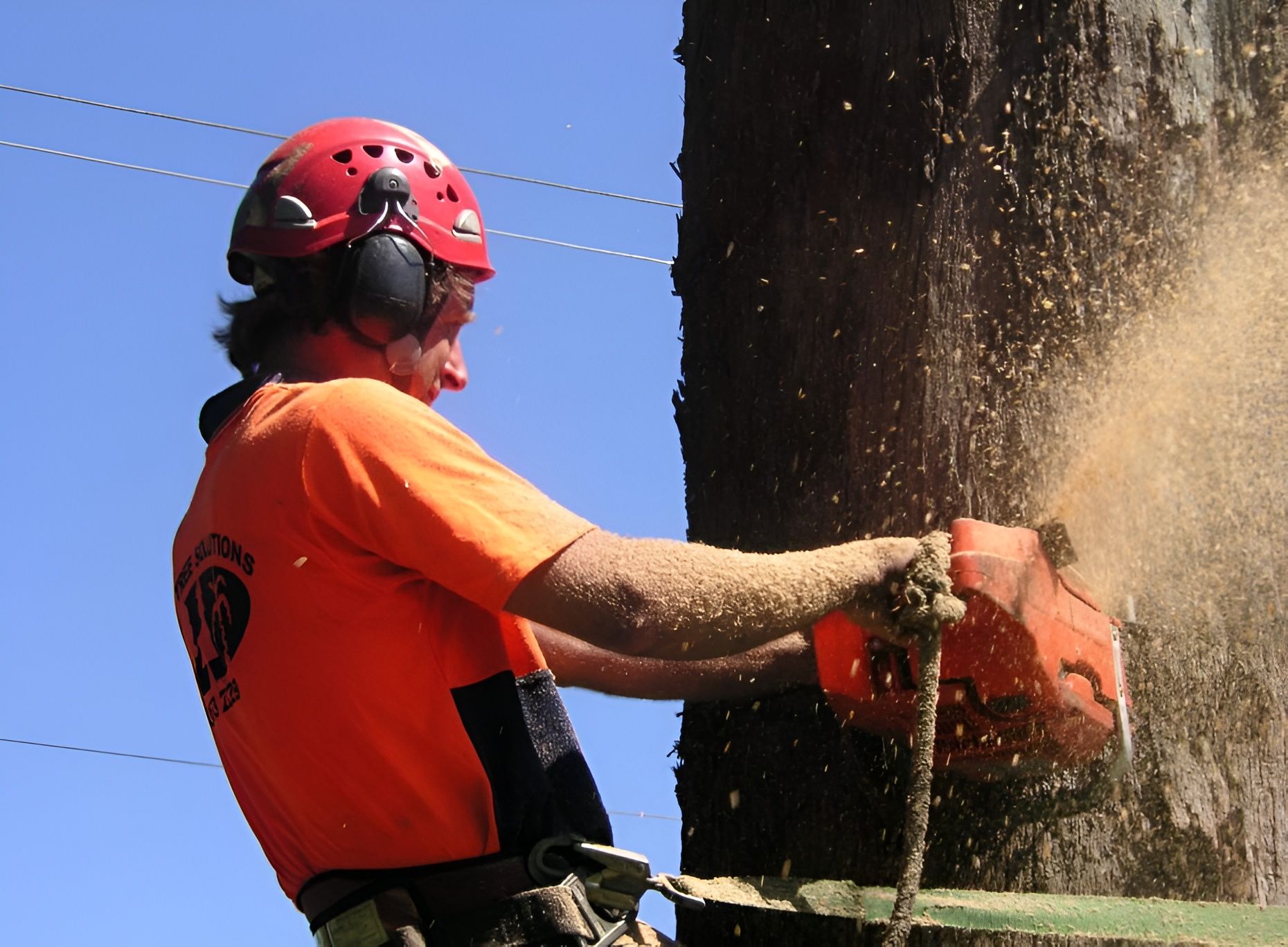
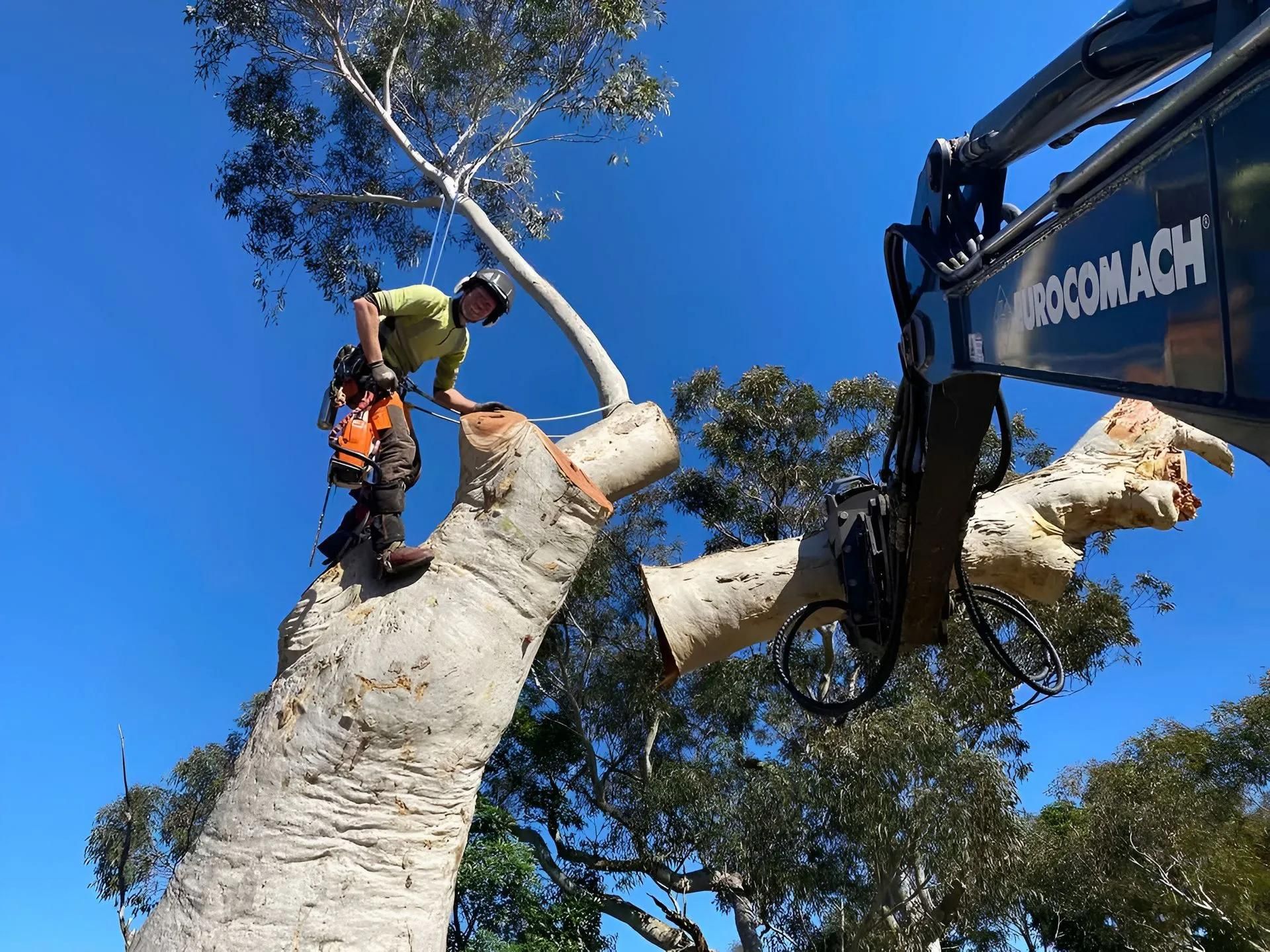
A qualified arborist is a trained professional who has completed formal arboricultural education — typically a Certificate III in Arboriculture as a minimum, and a Certificate IV or above for more complex work. Their training covers tree biology, structural assessment, rigging and climbing techniques, safe work practices and the health management of trees. They understand how trees respond to different types of pruning, what cuts promote healthy regrowth and which ones create long-term problems.
Qualifications to look for include a Certificate III or IV in Arboriculture, a working-at-heights qualification, public liability insurance and workers’ compensation. These aren’t optional extras — they’re the baseline that protects both the tree and everyone working around it.
What Does an Arborist Actually Do?
An arborist’s scope goes considerably beyond cutting branches. A qualified arborist assesses a tree’s structural health, identifies disease, pest infestation or root issues, and makes recommendations based on that assessment.
The physical work they carry out includes:
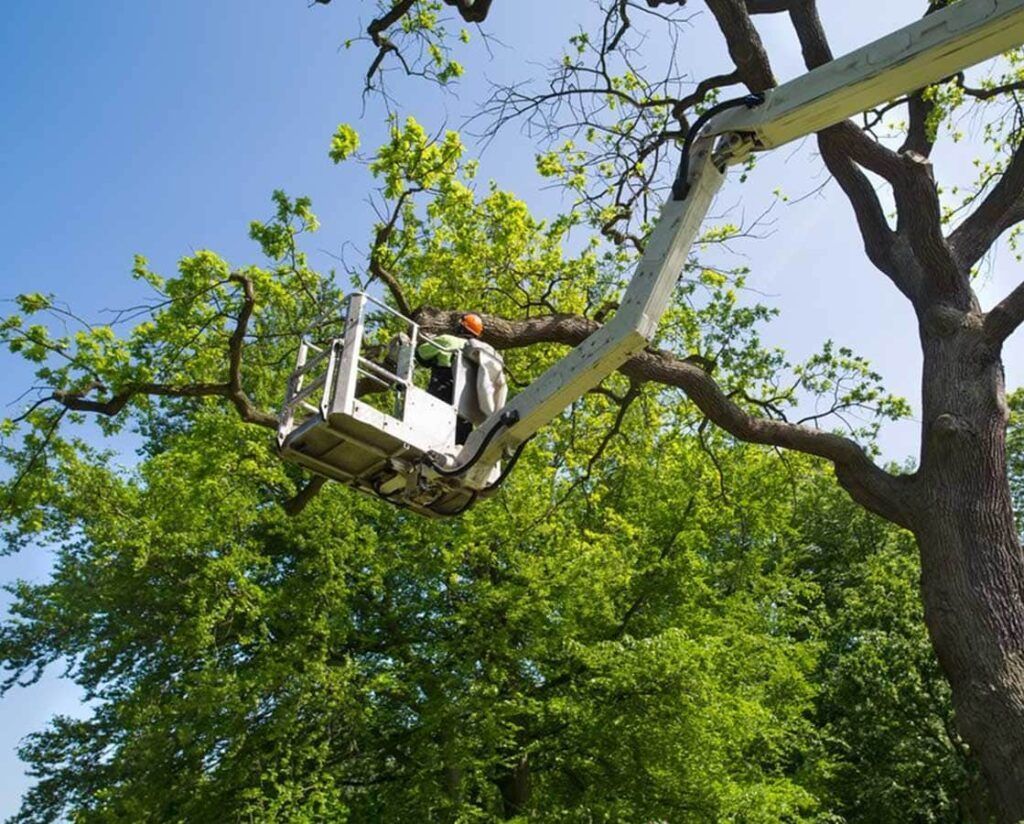
- Selective pruning — removing specific branches to improve structure, manage clearance or promote the tree’s long-term health
- Crown reduction and thinning — reducing the overall canopy volume while preserving the tree’s natural form
- Hazard assessment — evaluating whether a tree presents a risk to people or property and advising on appropriate action
- Storm damage response — making trees safe after weather events, including removing hanging limbs and stabilising compromised structure
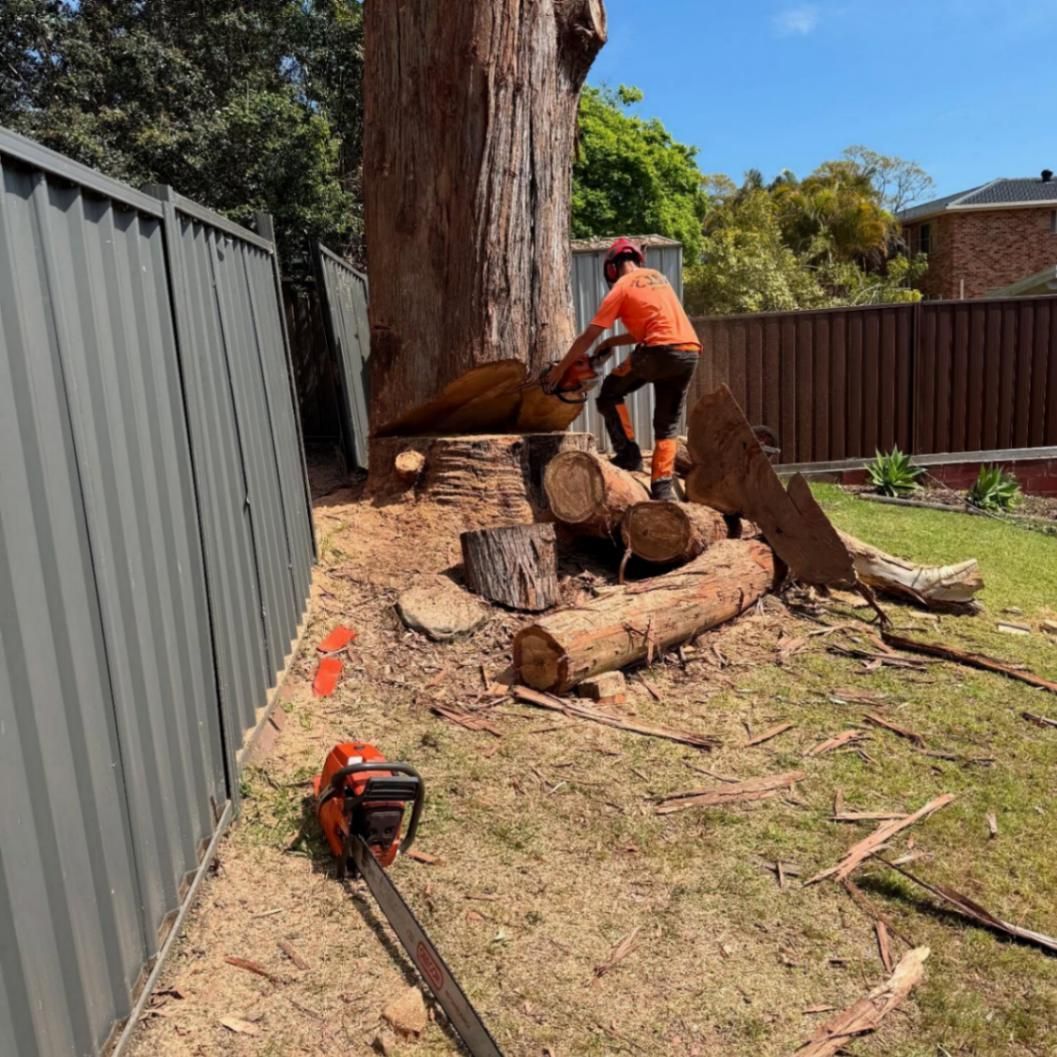
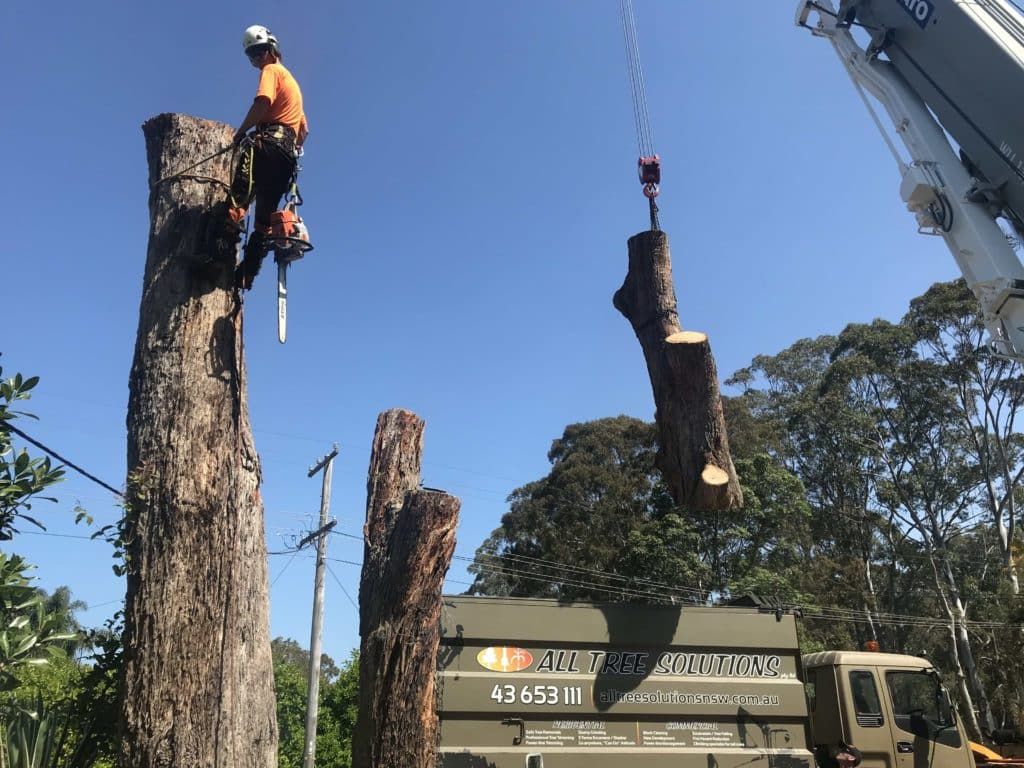
- Tree removal — where a tree is dead, dying, diseased or structurally unsound, a qualified arborist carries out removal safely and in compliance with council regulations
Not sure whether your tree needs professional attention?
Signs you need an arborist are a good starting point before you decide who to call.
Why Lopping Done Badly Harms Trees
Indiscriminate lopping — heavy heading cuts made without reference to branch junctions or natural structure — leaves large exposed wounds the tree cannot seal effectively. The result is dense epicormic regrowth that looks like recovery but is structurally inferior to the original canopy and prone to failure.
Repeatedly lopped trees become progressively weaker. The epicormic growth increases, attachment points remain weak and the risk of limb failure grows over time. An arborist makes selective cuts at appropriate points, leaving the tree with better structure and a healthier long-term outlook.
Matching the Job to the Right Person
Not every tree job requires a full arboricultural assessment. But there are situations where the qualifications and experience of a trained arborist make a material difference to the outcome — and to the safety of the people doing the work.
A practical guide:
- Overhanging branch over a fence or path: a qualified tree professional can assess whether the branch is healthy and what the correct removal point is — a straightforward job that doesn’t require extensive credentials, but still benefits from correct technique
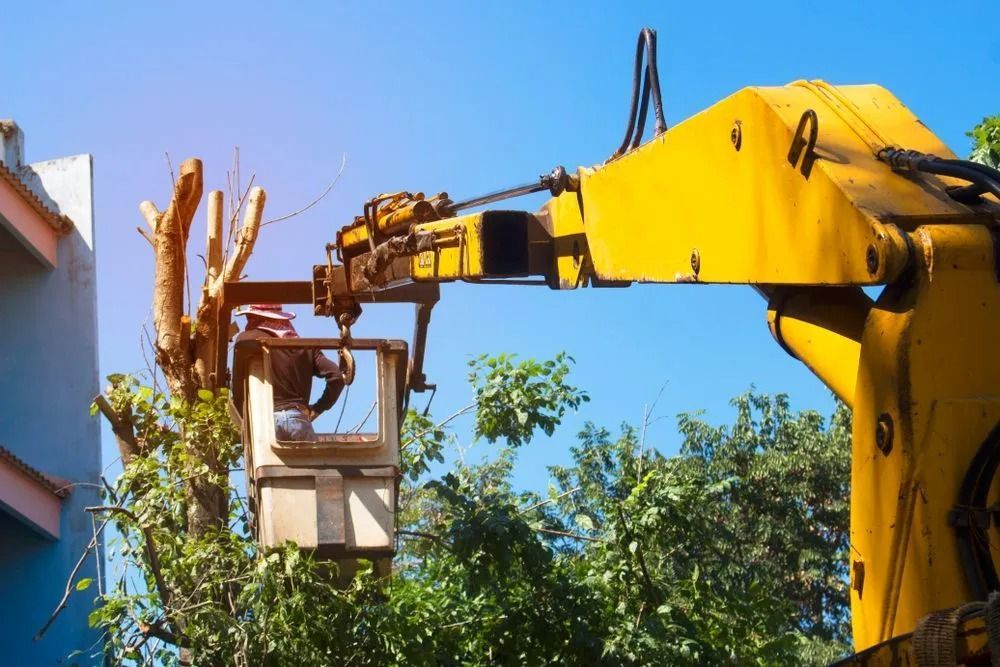
- Large tree near power lines: this is a job for a qualified arborist, full stop. Work near powerlines requires specific training, and the structural assessment of a large tree adjacent to a building is not something to leave to an unqualified operator
- Dead or structurally compromised tree: requires assessment before any work begins. A qualified arborist can confirm whether the tree is safe to work around, how it should be rigged and what the safest removal sequence is
- Storm damage: fallen or hanging limbs are often under tension and can release without warning when cut. This is high-risk work that requires proper rigging technique and experience
When a tree is dead, dangerous, or too close to a building, an arborist will recommend safe
tree removal rather than leaving a compromised structure in place.
Insurance and Liability: What’s at Stake
One of the practical reasons to confirm qualifications before hiring is insurance. A tree contractor working on your property without adequate public liability insurance leaves you exposed if something goes wrong — a falling branch that damages a vehicle, a neighbouring property, or injures someone is a liability that defaults to the property owner if the contractor isn’t covered.
A qualified arborist carries public liability insurance — typically a minimum of $10 million — and workers’ compensation for employed staff. Ask to see proof of both before work begins. A contractor unwilling to provide this documentation is telling you something useful.
Council Regulations and Tree Permits on the Central Coast
On the Central Coast, certain trees are protected under the Local Environmental Plan and Development Control Plan. Removing or substantially pruning a regulated tree without council approval can result in significant fines. A qualified arborist knows which trees are protected and when a permit application is required.
If an unqualified operator removes a protected tree without approval, the problem lands with the property owner, not just the contractor. A qualified arborist who understands local regulations keeps the work compliant before it starts.
The Short Answer: Who Do You Actually Need?
For most tree work on the Central Coast, the person you want is a qualified arborist who also provides the practical, responsive service you’d associate with a local operator. The two aren’t mutually exclusive — the best operators combine formal training with the ability to show up, assess the job and get it done efficiently.
If your tree is large, near power lines, or structurally unsound, it’s a job for a qualified
arborist on the Central Coast rather than a general lopper. For straightforward work that still benefits from proper technique and insurance, the same applies.
All Tree Solutions: Qualified Arborists on the Central Coast
All Tree Solutions provides tree services across the Central Coast with qualified arborists, full insurance and an approach that combines professional arboricultural standards with practical, responsive service for residential and commercial clients.
Get in touch to discuss your tree, arrange an assessment or book a job.