Leaning or Unstable Trees: A Clear Sign that Structural Assessment is Needed
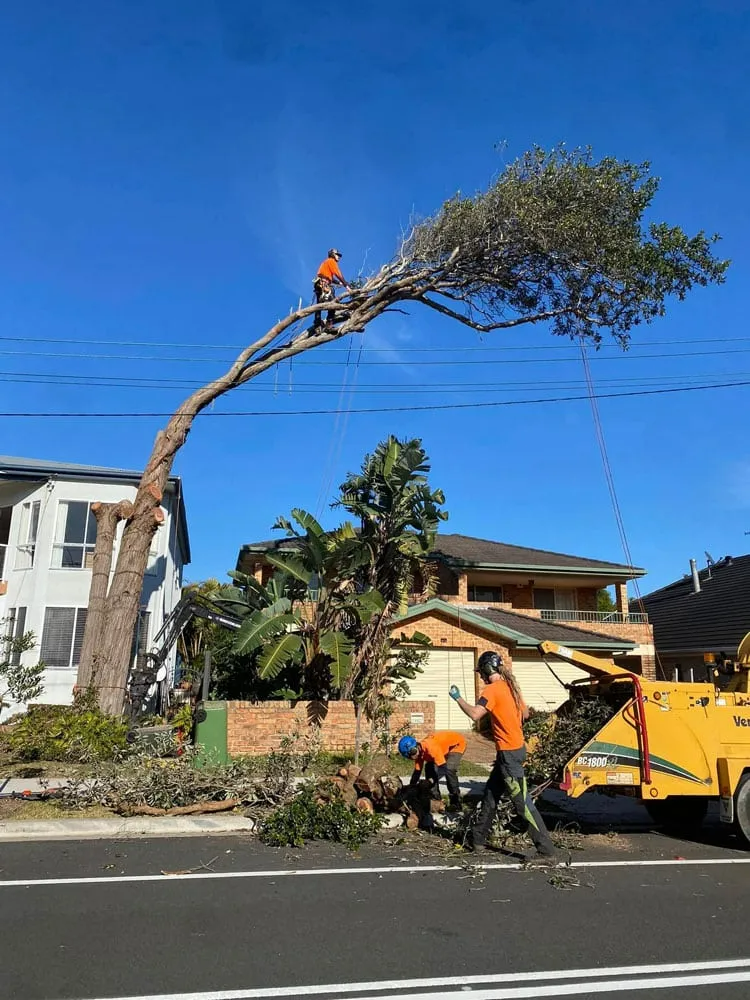
A tree that begins to lean more than usual is often responding to changes below the surface. While some trees naturally grow at an angle, a noticeable shift in position can indicate that the root system is compromised. This can occur gradually or after a specific event such as heavy rain or strong winds.
When stability is affected, the risk is not just cosmetic. A leaning tree can place pressure on surrounding soil, structures, and even neighbouring properties. Without proper assessment, it is difficult to determine whether the tree can recover or if it presents a growing hazard.
- Soil erosion or movement around the base
- Root damage caused by excavation or landscaping
- Sudden leaning following storms or saturated ground
- Uneven canopy weight pulling the tree off balance
An arborist that Central Coast property owners rely on can assess root stability and recommend whether corrective measures or removal are required.
Dead Branches & Canopy Dieback that Signal Declining Tree Health
A healthy tree maintains a consistent canopy, with leaves evenly distributed and seasonal growth patterns remaining stable. When sections of the tree begin to thin out or die back, it often signals underlying stress or disease.
Dead branches are not only a sign of declining health but also a practical safety concern. They can fall without warning, particularly during windy conditions, posing a risk to people, vehicles, and structures below.
- Sparse foliage in sections of the canopy
- Dry, brittle branches that break easily
- Bark peeling or changing in texture
- Slower or reduced growth compared to previous years
Professional pruning can sometimes restore balance and encourage healthy growth, but an arborist will determine whether the issue is localised or part of a broader decline.
Cracks in Trunks or Splitting Limbs: When Structural Damage Becomes Dangerous
Cracks in a tree’s trunk or major limbs can develop due to environmental stress, age, or internal weaknesses. These structural faults may appear minor at first, but they can expand over time, reducing the tree’s ability to support its own weight.
When splitting occurs near key junctions, such as where branches connect to the trunk, the risk of failure increases significantly. These areas are critical for maintaining structural integrity.
- Long vertical cracks along the trunk
- Splits forming at branch unions
- Bark separating from the underlying wood
- Signs of hollowing or internal weakness
Arborists use specialised techniques to assess whether the tree can be stabilised with support systems or if removal is the safer outcome.
Fungal Growth & Decay: Early Warning Signs Many Homeowners Miss
Fungal growth is one of the most overlooked indicators of internal tree decay. While mushrooms or fungal bodies may seem minor on the surface, they often point to deeper issues within the tree’s structure.
Decay weakens the internal support system, meaning the tree may appear stable externally while being compromised internally. This can make it more vulnerable to breakage during routine weather conditions.
- Fungal growth at the base or along the trunk
- Soft or spongy wood beneath the bark
- Cavities forming inside the trunk
- Discolouration or unusual odours
In many cases, decay cannot be reversed, making early identification important. Arborists can assess the extent of damage and advise whether ongoing management or tree removal Central Coast services are required.
Storm Damage & Fallen Limbs that Require Immediate Arborist Attention
Severe weather can place sudden stress on trees, causing damage that is not always obvious at first glance. Even if a tree remains standing, its structure may have been weakened, increasing the likelihood of future failure.
After storms, it is common to see broken branches, torn bark, or trees that have shifted slightly from their original position. These changes can compromise stability and should be assessed promptly.
- Hanging or partially detached branches
- Splintered limbs or exposed wood
- Trees leaning more than before
- Debris indicating structural stress
Prompt arborist intervention helps remove immediate hazards and reduces the risk of further damage developing over time.
Overgrown Trees Impacting Structures, Powerlines, or Neighbouring Properties
Trees that are left unmanaged can grow beyond their intended space, leading to a range of practical and safety concerns. Overhanging branches may interfere with roofs, gutters, or fencing, while roots can affect underground services.
As trees expand, they can also create issues with neighbouring properties or come into contact with powerlines, which introduces additional risks and compliance requirements.
- Branches resting on or close to buildings
- Interference with overhead cables or services
- Encroachment into adjacent properties
- Excessive shading reducing usability of outdoor areas
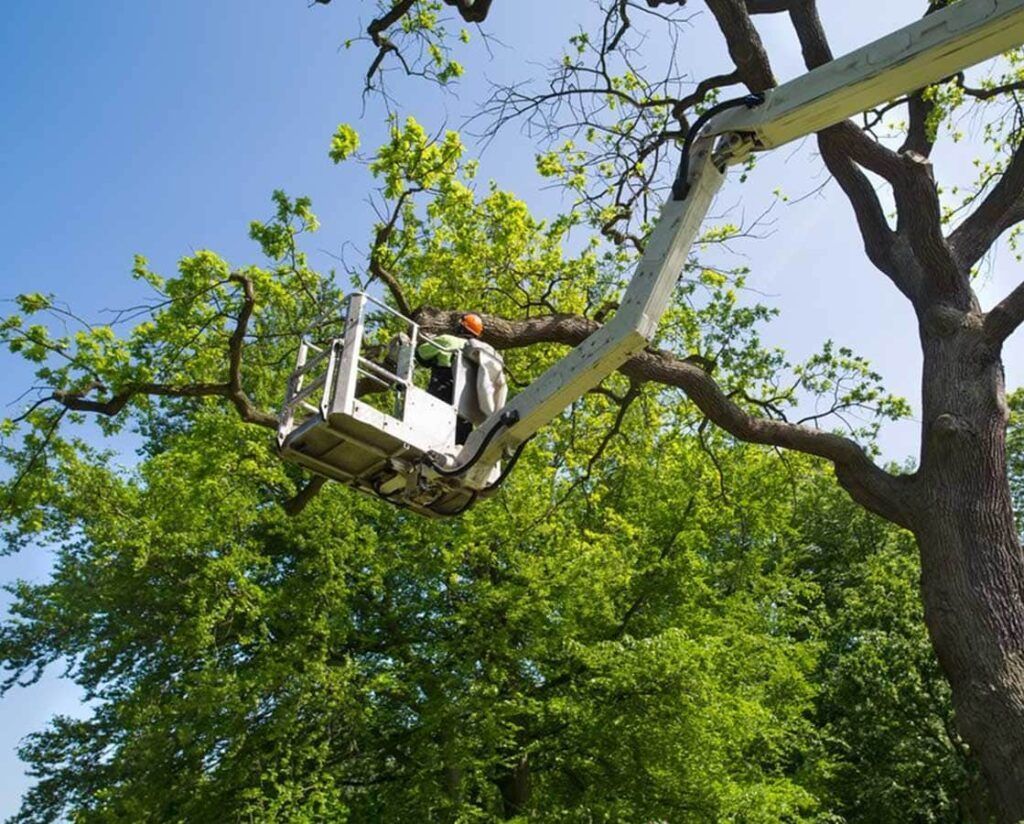
Regular pruning helps maintain safe clearances while supporting the tree’s overall health and structure.
Pest Infestations Weakening Trees from the Inside Out
Pest activity can gradually weaken a tree’s structure, often without obvious external signs until the damage is advanced. Insects and borers can tunnel through wood, disrupting the tree’s ability to transport nutrients and maintain strength.
Over time, this internal damage can compromise the tree’s stability, making it more susceptible to breakage or decline.
- Small holes or tunnels in the bark
- Sawdust-like residue at the base of the tree
- Leaves showing irregular damage or discolouration
- Reduced vigour or slower growth
Early identification allows arborists to implement targeted treatments and assess whether the tree can be preserved or requires further action.
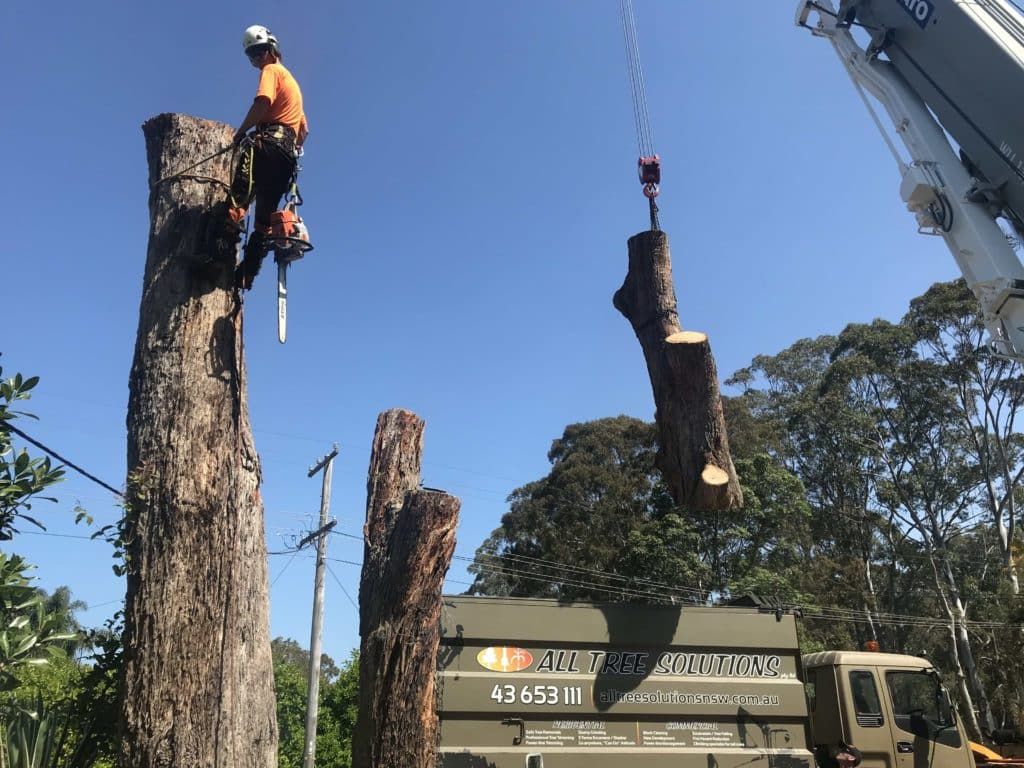
When Tree Removal Becomes the Safest & Most Practical Solution
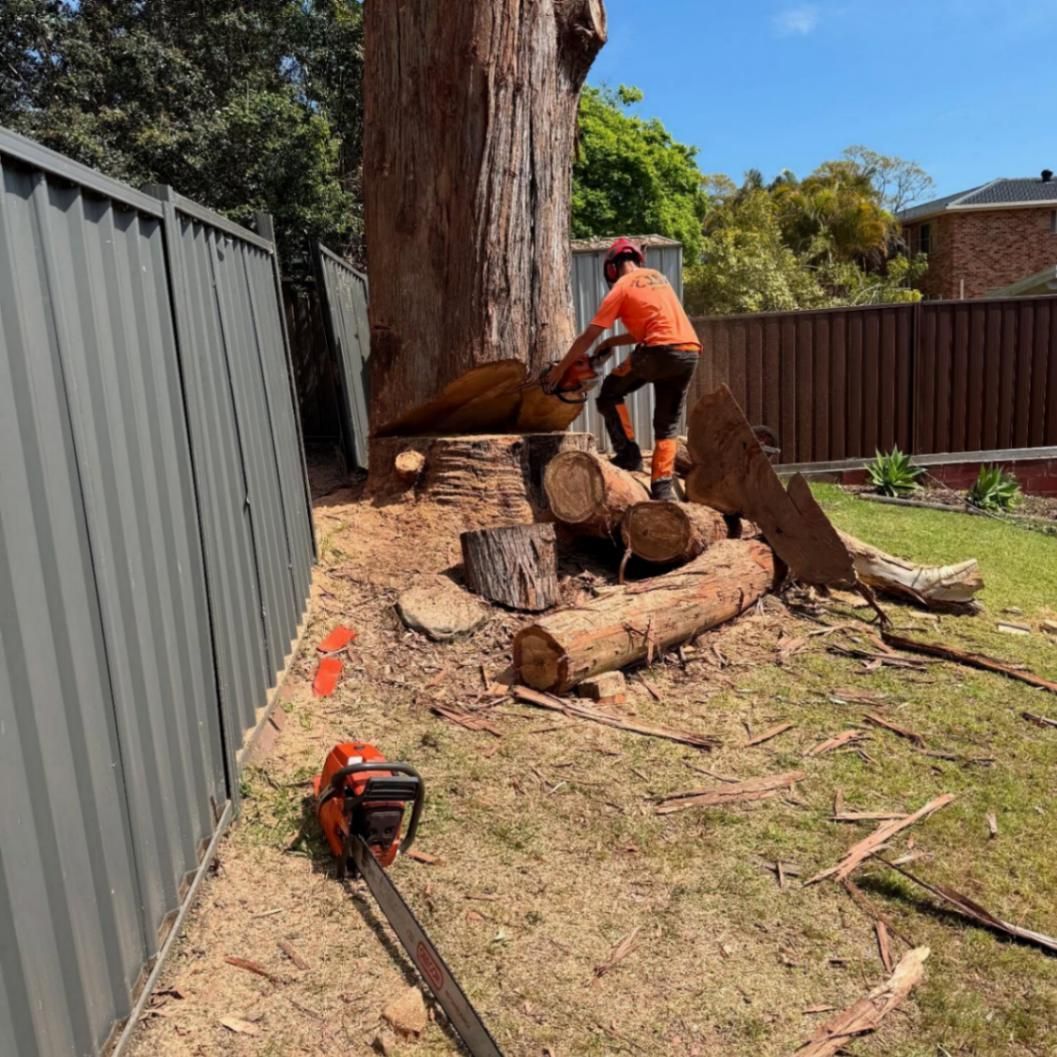
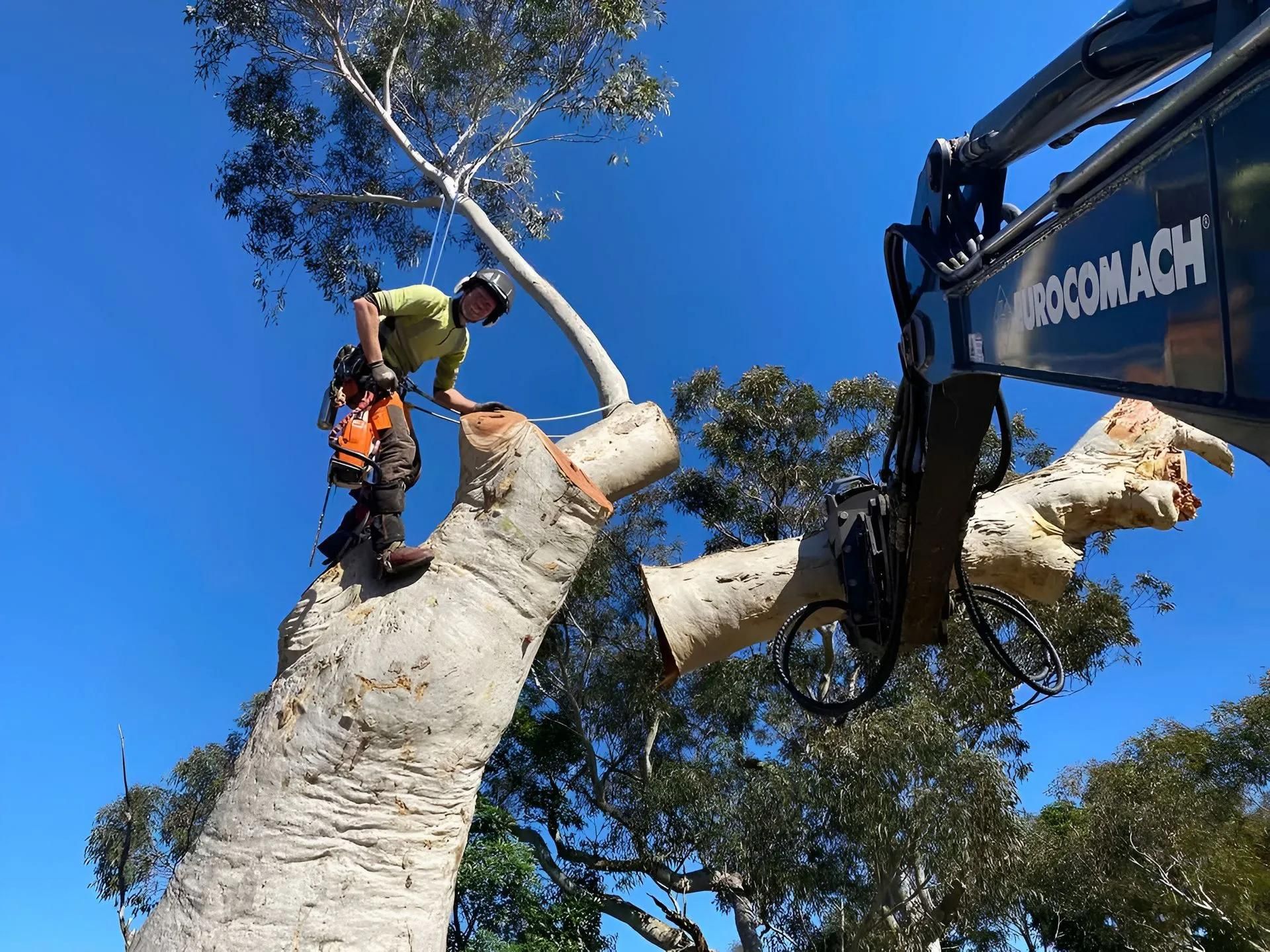
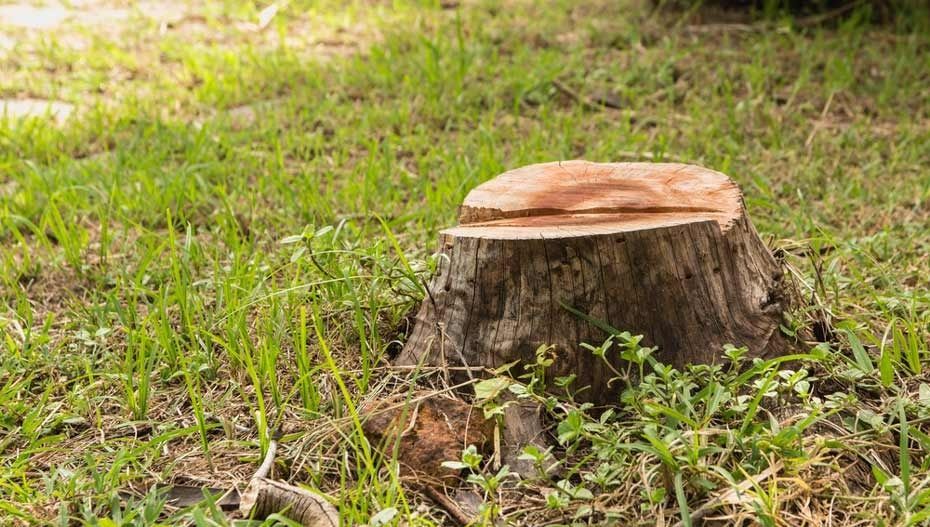
While many tree issues can be managed through pruning or treatment, there are situations where removal is the most appropriate option. This typically occurs when the tree poses a safety risk that cannot be effectively mitigated through other means.
The decision to remove a tree is based on a careful evaluation of its condition, location, and impact on surrounding structures and environments.
- Extensive decay affecting structural stability
- High risk of falling due to compromised roots
- Damage that cannot be repaired or contained
- Ongoing interference with infrastructure
For more information about safe and compliant solutions, including tree removal Central Coast services, visit
https://alltreesolutions.com.au/
We at All Tree Solutions understand how important it is to identify tree issues early and take the right steps before they become larger problems. On the Central Coast, conditions such as coastal winds, heavy rainfall, and dense vegetation can all contribute to tree instability and long-term safety risks.
If you have noticed any of these warning signs or want a professional assessment for peace of mind,
contact our team today to organise an inspection or discuss the most suitable solution for your property.