Tree Removal Cost On The Central Coast: Do You Need Council Approval First?
Tree removal cost on the Central Coast depends on the tree’s size, condition, location, access and the complexity of the job. Before booking removal, however, homeowners should also check whether council permission or another approval pathway applies. Central Coast Council regulates removal of protected vegetation, although exemptions and NSW bushfire-clearing rules can apply in specific circumstances.
For homeowners comparing tree removal Central Coast services, checking approval requirements before work starts can prevent delays and help contractors quote the job accurately.

How Much Does Tree Removal Cost on the Central Coast?
There is no single price for removing a tree because two trees of similar height can involve very different amounts of work.
An arborist will generally need to consider factors such as:
- Tree height and canopy spread
- Trunk diameter
- Tree species and condition
- Access to the property
- Proximity to buildings, fences and powerlines
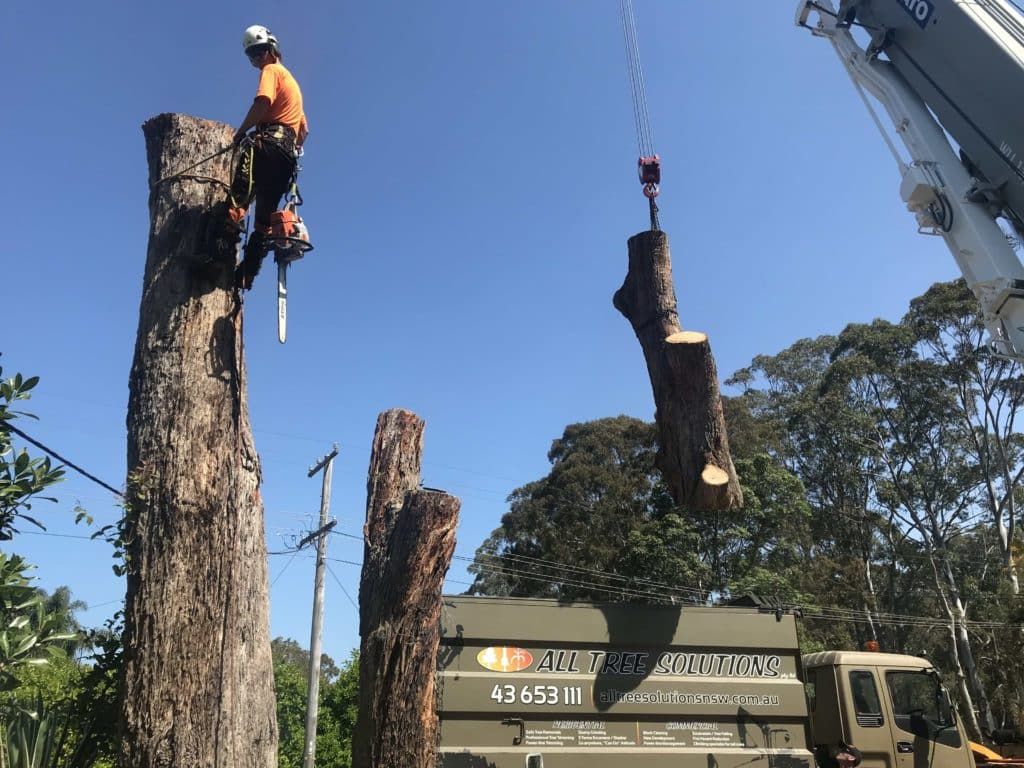
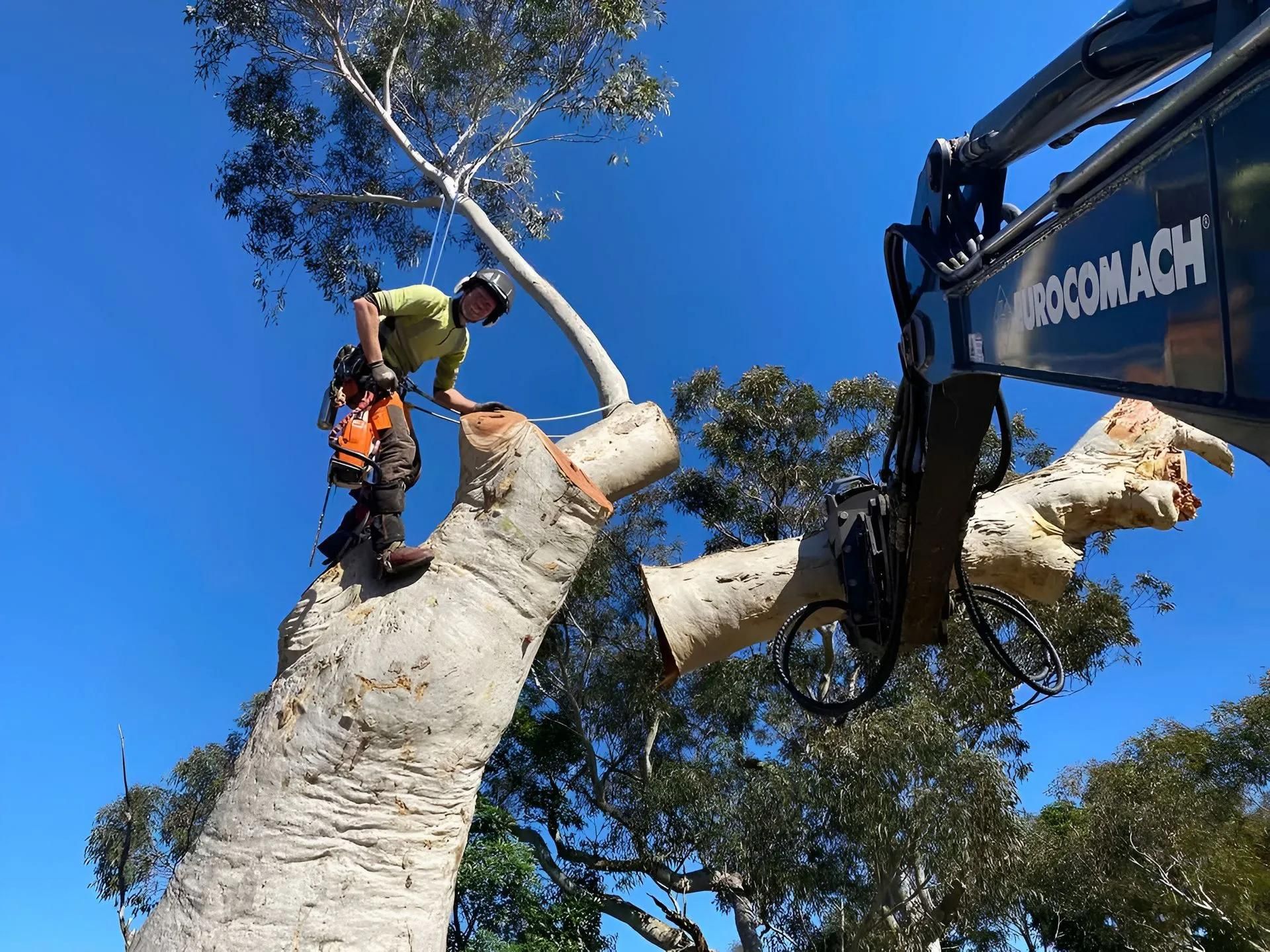
- Whether climbing or specialised equipment is required
- How safely branches and trunk sections can be lowered
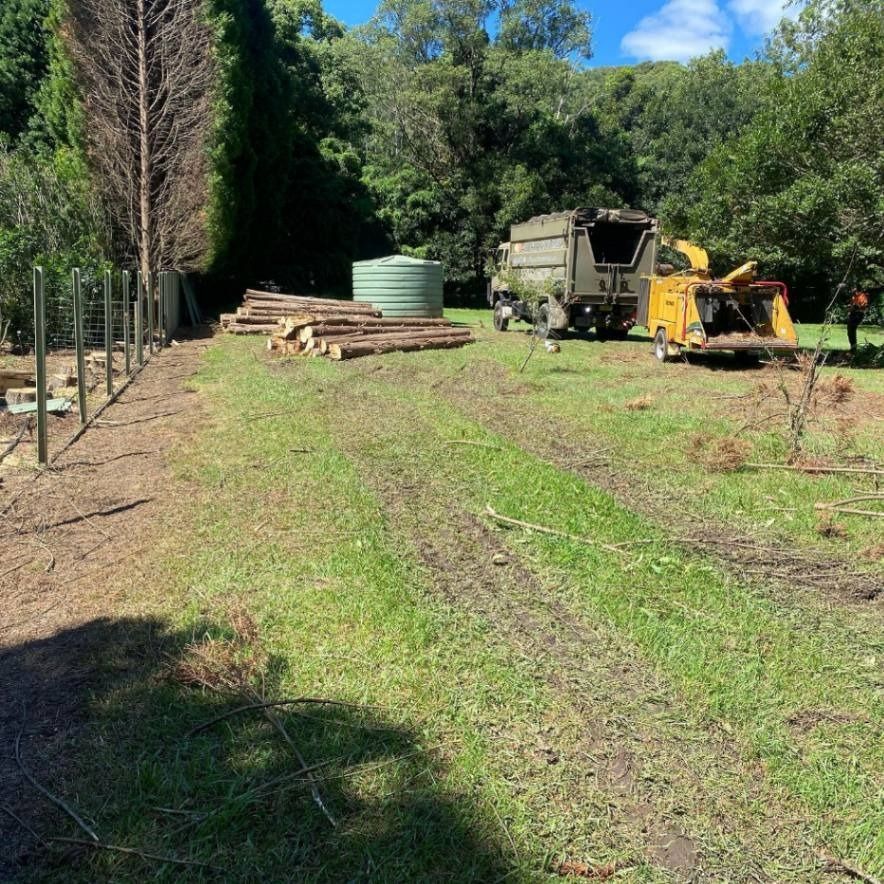
- Green waste removal requirements
- Whether stump grinding is included
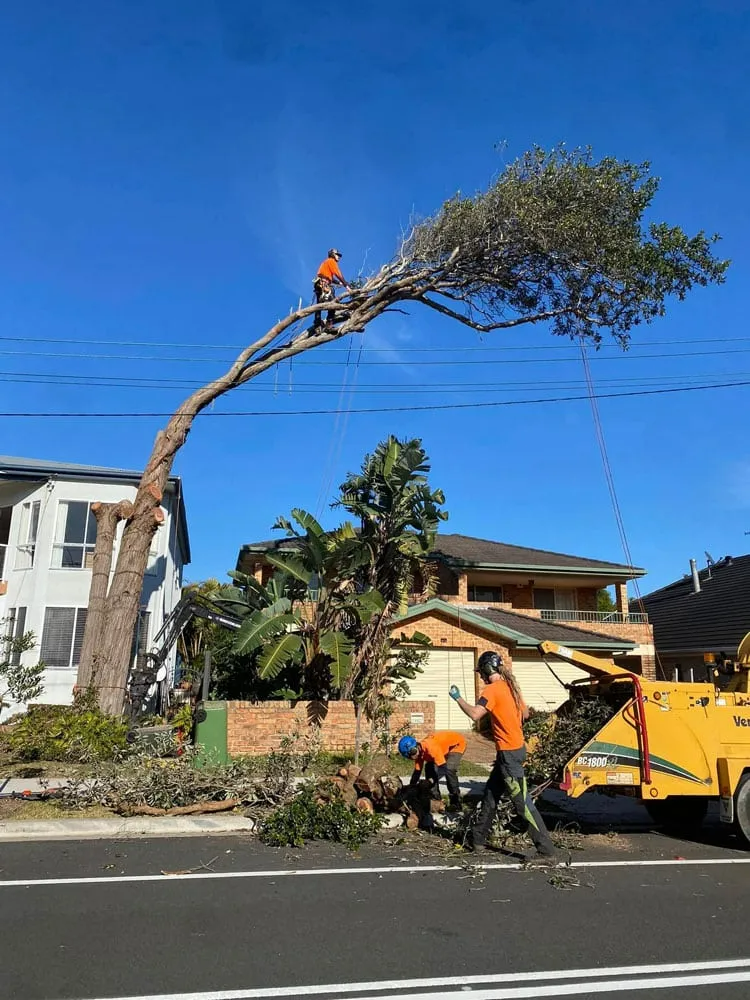
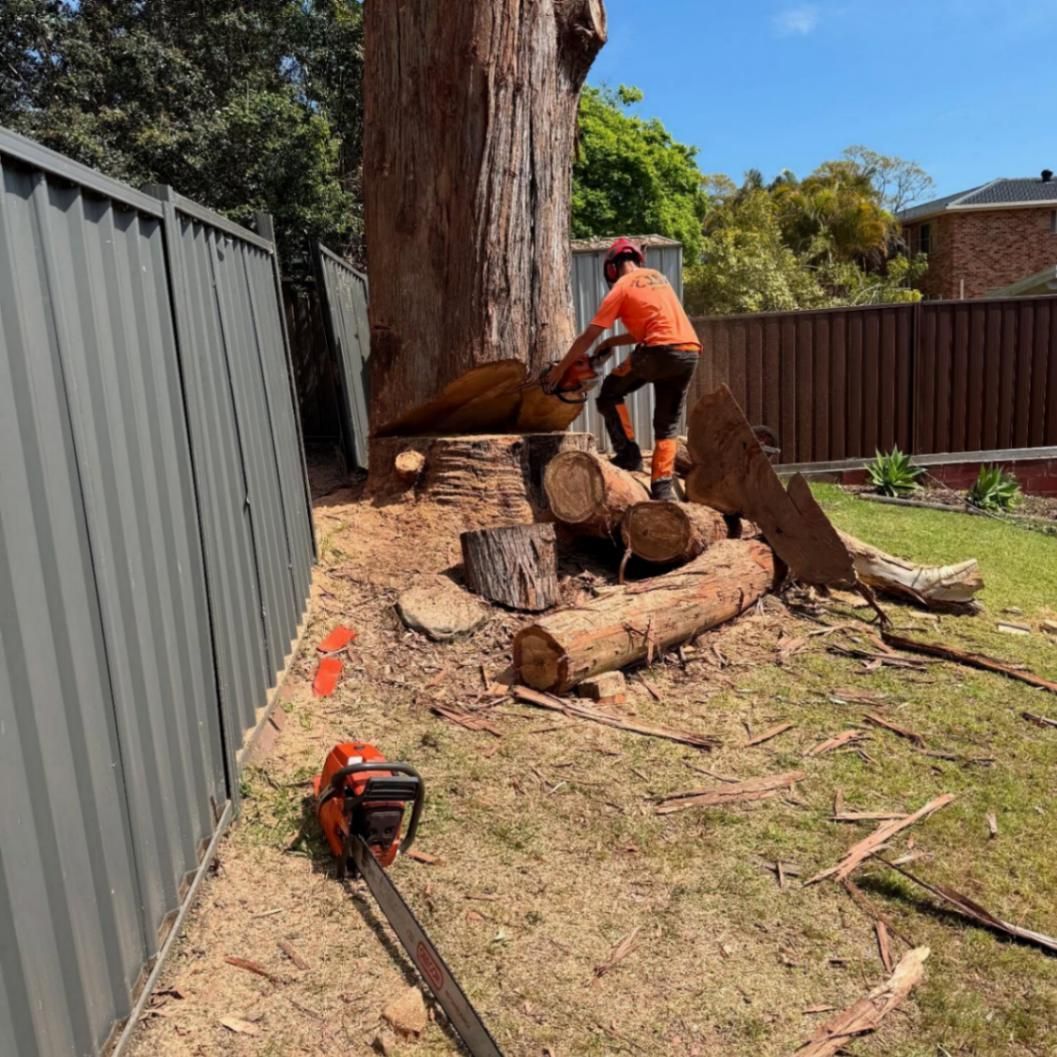
For example, removing a small tree with clear access from an open backyard will generally involve a simpler process than dismantling a large tree over a house, pool or neighbouring property.
This is why answering "how much does tree removal cost?" accurately usually requires information about the individual tree and site rather than relying on a generic online price.
Do You Need Council Approval to Cut Down a Tree in NSW?
Whether you need approval in NSW depends on where the property is located, the vegetation involved and whether an exemption or another legal clearing entitlement applies.
On the Central Coast, Council's Development Control Plan regulates specified trees and vegetation. Where vegetation falls within the relevant controls and no exemption applies, Council states that a permit must be obtained. Its current framework includes Minor Vegetation Works Permits for removal of up to five individual trees or up to 100 square metres of vegetation, and Major Vegetation Works Permits for larger works within the stated thresholds.
That means homeowners should not assume that owning the land automatically gives them permission to remove every established tree on it.
Before arranging the job, establish:
- Whether the tree falls within Council's vegetation controls.
- Whether an exemption applies.
- Whether another approval or consent already governs the property.
- Whether the property qualifies for a separate NSW vegetation-clearing scheme.
- What supporting information Council requires if an application is necessary.
An experienced local arborist can help you identify the relevant issues, but Council or the appropriate NSW authority determines whether an approval or exemption applies.
What Is the 10/50 Rule for Trees in NSW?
The 10/50 Vegetation Clearing Scheme is a NSW bushfire-preparation measure for properties within designated entitlement areas. It can allow eligible landowners to remove trees within 10 metres of a home and clear certain underlying vegetation, such as shrubs, within 50 metres without seeking the usual approval, provided all requirements of the 10/50 Code are met.
It is not a blanket exemption for every property in a bushfire-prone area.
The NSW Rural Fire Service instructs property owners to use its online assessment tool and check eligibility on the day clearing takes place because mapped entitlement areas, exclusions or applicable rules can change. Restrictions can also apply to matters such as waterways, steep slopes and protected environmental or cultural features.
If you plan to rely on the 10/50 scheme, confirm the property and proposed work against the current NSW RFS requirements before removing vegetation.
What Factors Increase Tree Removal Cost?
Tree size matters, but complexity often has just as much influence on the work involved.
A large tree in an open area may provide relatively straightforward access for equipment. A smaller tree growing between a house and boundary fence can require considerably more controlled dismantling.
Common cost factors include restricted access, unstable or damaged limbs, difficult climbing conditions and obstacles beneath the canopy. Pools, sheds, roofs, gardens and neighbouring structures can limit where cut sections can safely fall.
Tree condition also matters. A structurally compromised tree may require a different removal method because workers cannot necessarily climb or rig it in the same way as a sound tree.
When comparing quotes, make sure each contractor is pricing the same scope of work. Ask whether removal, waste handling and stump work are included rather than comparing the headline figure alone.
Does a Tree Removal Quote Include the Stump?
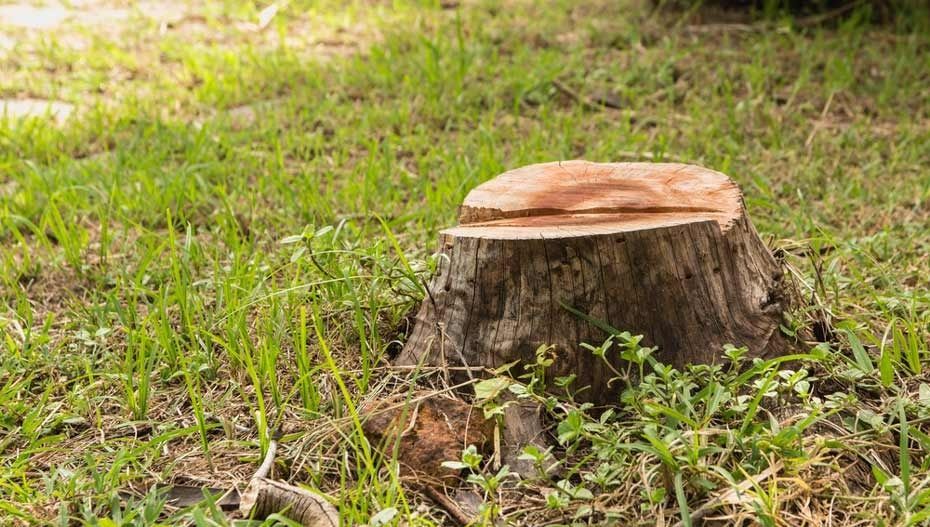
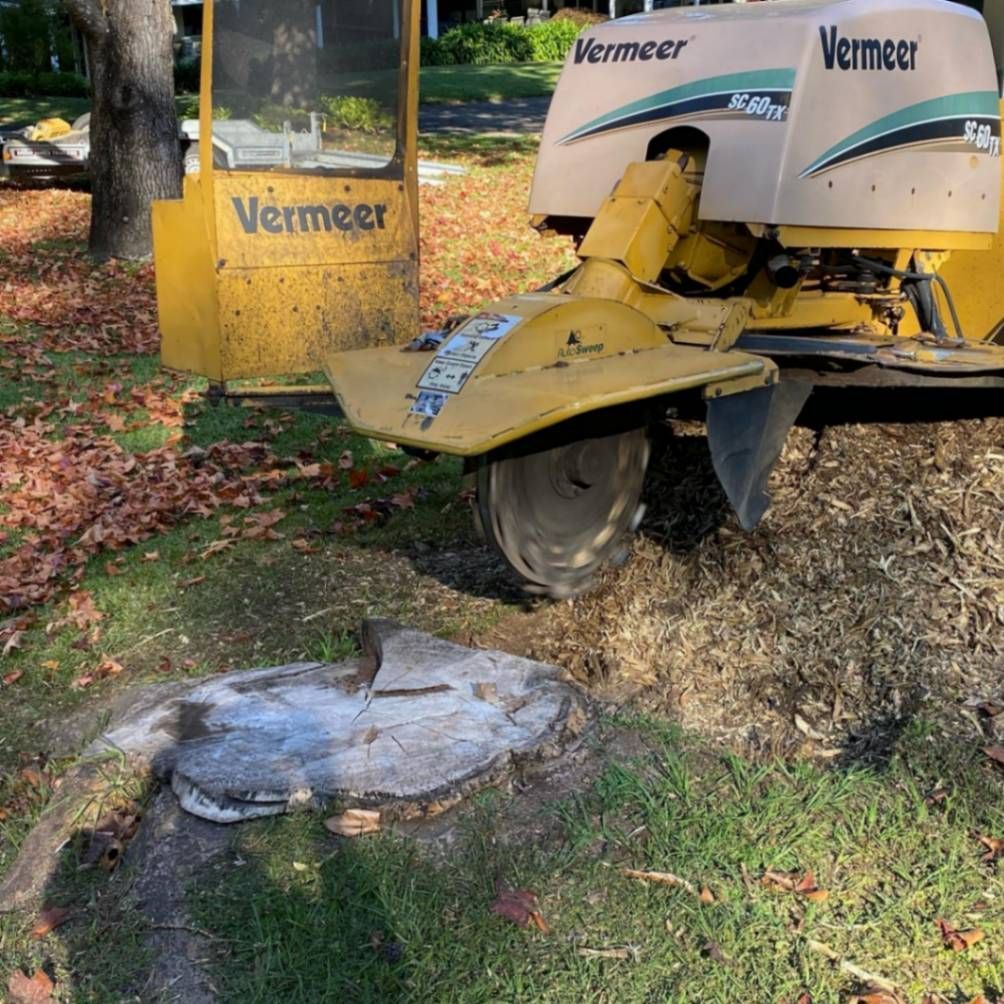
Not necessarily. Cutting down the tree and removing the remaining stump are separate stages, and stump grinding may need to be included separately in the quote.
Leaving a stump may be acceptable if the area will remain unused, but removal can make sense where you want to landscape, replant or use the space differently.
If you want the entire area cleared, ask about tree stump removal when obtaining your tree removal quote. Also confirm whether any approval or exemption applying to the tree affects the proposed stump work before proceeding.
This avoids discovering after the tree has been removed that the remaining stump was outside the scope you originally priced.
How Does Council Approval Affect When You Can Book Tree Removal?
If approval is required, factor that process into your schedule before locking in the removal date.
Council applications can require supporting information depending on the proposed work. The applicable permit type and assessment requirements also vary with the number of trees, vegetation area and circumstances of the property.
Avoid assuming a fixed approval timeframe until you have checked the current Council process for your application. Assessment times can change, and individual applications may require additional information.
For planned landscaping, renovations or property preparation, checking the tree requirements early gives you more flexibility than discovering an approval issue immediately before other work is due to start.
What if the Tree Is Dangerous or Storm-Damaged?
A dangerous tree can require a different response from routine planned removal.
Central Coast Council's current vegetation controls contain exemptions in specified circumstances and also address evidence requirements for exempt tree removal. Where an exemption is being relied upon, Council documentation notes circumstances in which evidence from an appropriately qualified arborist should be retained.
Don't assume that calling a tree dangerous automatically removes every approval requirement. The tree's condition and applicable rules still need to be considered.
If the problem developed after severe weather, read our guide to
emergency tree removal after storms for more information about handling urgent tree hazards.
How Can You Prepare for a Tree Removal Quote?
Giving the arborist useful information before the site visit can make quoting and planning easier.
Take clear photos showing the whole tree, trunk and surrounding area. Explain why you want it removed and mention any obvious defects, falling branches or recent changes in condition.
You should also identify access constraints. Narrow side passages, retaining walls, steep blocks and limited vehicle access can influence the equipment and removal method required.
If you've already received Council approval or confirmed an applicable exemption, have the relevant documentation available. Don't ask a contractor to proceed on the assumption that permission "should be fine".
For property owners around Kincumber, the local team can also discuss
tree removal Kincumber requirements and the practical considerations affecting the job.
How Do You Keep Tree Removal Costs Under Control?
Start by getting the scope right. A cheap quote that excludes waste removal, stump grinding or necessary equipment is not directly comparable with an all-inclusive quote.
Ask what the contractor has allowed for and whether the price includes:
- Complete tree dismantling or felling
- Removal of branches and trunk sections
- Site clean-up
- Stump grinding, if required
- Specialist access or equipment
- Any other clearly identified work
You can also avoid wasted bookings by resolving approval questions before scheduling removal.
For more information about tree management and arborist services, browse
our blog.
When Should You Book Tree Removal on the Central Coast?
Book once you understand the tree's condition, the scope of work and any permission required for the property. If the tree presents an immediate hazard, seek professional advice promptly rather than treating it like a routine landscaping job.
All Tree Solutions provides tree removal services across the Central Coast and can assess practical factors such as tree condition, access and the removal method required.
Contact the All Tree Solutions team to arrange an assessment and discuss what needs to happen before your tree removal can proceed.
Frequently Asked Questions
How much does it cost to remove a tree in NSW?
Tree removal costs vary significantly according to size, condition, access, location and removal complexity. A site-specific quote provides a more useful figure than a generic statewide price because each tree and property presents different working conditions.
Do you need council approval to cut down a tree in NSW?
Sometimes. Tree controls vary between council areas, and exemptions or other NSW clearing provisions can apply. Central Coast property owners should check the current Council requirements and any applicable exemptions before removing regulated vegetation.
What is the 10/50 rule for trees in NSW?
For eligible properties in designated areas, the 10/50 scheme can permit trees to be cleared within 10 metres of a home and certain underlying vegetation within 50 metres without the usual approval. The work must comply with the NSW RFS 10/50 Code, and eligibility should be checked using the RFS online tool on the day of clearing.
Can I remove a tree on my own property?
Ownership alone does not necessarily mean a tree can legally be removed without approval. Council vegetation controls, development consent conditions, environmental protections and bushfire-clearing rules can affect what you are permitted to do.
Does tree removal include stump grinding?
Not always. Tree removal and stump grinding can be quoted as separate services, so confirm exactly what is included before accepting a quote.
Can I remove a dangerous tree without council approval?
Exemptions can apply in specified circumstances, but you should confirm that the tree meets the relevant criteria and retain any evidence required by the applicable rules. If there is an immediate safety risk, keep people away from the affected area and seek professional advice.